No one likes being told their home is unsafe and they'll have to spend thousands just to return to a comfortable way of living. So when a heating and cooling company comes out and tells you that your furnace is broken, you have a cracked or compromised heat exchanger and your furnace needs to be "red tagged", it can feel like you're being swallowed whole.
We get it. We never enjoy red tagging a furnace or telling a homeowner that they can't run their furnace, but as a certified HVAC company it's our responsibility to educate and protect our customers. This article explains what a cracked heat exchanger is, how they're tested, why a red tag occurs and what you can do to confidently keep your home safe.
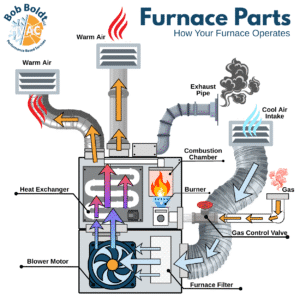
A heat exchanger a part of your furnace that keeps dangerous fumes like carbon monoxide or soot from entering your home. It is usually a set of tubes or coils within the combustion chamber that warms and circulates the cold air around the heated coils.
A heat exchanger is a vital safety barrier between the fire and toxic gases of your furnace's combustion chamber and your living space. Within your furnace, the heat exchanger is used to help transfer heat from the combustion chamber and it's gases, to the air that we breath without allowing them to mix.
You wouldn't let your car run in an enclosed space, so why would you allow your furnace to run with a cracked heat exchanger? It might seem like a weird comparison, but the dangers and risks are quite real. When your cars exhaust runs in an enclosed space the fumes collect and can knock you out or even lead to death, a cracked heat exchanger can do exactly the same thing. Cracked heat exchangers often display as silent symptoms, can cause serious health concerns and are costly to repair or replace.
BOB BOLDT'S BREAKDOWN: The term 'cracked heat exchanger' doesn't always mean there is a crack in your heat exchanger, but instead means something is compromised within the heat exchanger that poses a deadly risk to you and your family.
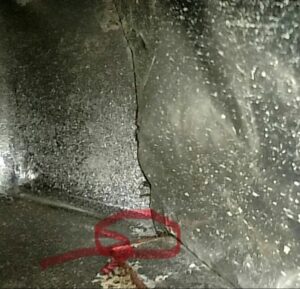
Symptoms of a cracked heat exchanger often are silent and can't be noticed, but if you do notice any of the following items call a heating professional immediately.
Remember, many cracked heat exchangers show no symptoms, so if you want to ensure peace of mind get your furnaces tested twice a year during your tune-ups.
A good heating company will use multiple tests to diagnosis your furnace, as it reduces misreads or errors and allows for accurate and honest readings. These tests typically include:
If they find a cracked heat exchanger, they will immediately notify you and red tag your furnace.
Technically yes, honestly no. A cracked heat exchanger repairs requires specialized sealants and welding and often doesn't last. These repairs aren't recommended as they're costly, continue to pose huge safety concerns and are highly likely to occur again in the future. Often times the only cost-effective and guaranteed solution is a furnace replacement.
The price for a repair vs a complete furnace replacement are similar, and with a new furnace you get the manufacturers and HVAC company's guarantees, warranties and peace of mind.
In the heating and cooling world, red tags are never a fun conversation to have - however, a true professional puts the safety of our customers above sales. They provide you with answers, options and recommendations to ensure your safety.
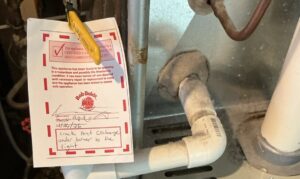
When a HVAC Technician notices a dangerous, cracked or failed component in your furnace, it is their responsibility to notify and red tag your unit. This red tag is an officially recognized, and sometimes utility required, tag that signifies the appliance should not be used until it is repaired or replaced.
Once a safety risk is identified, we must document and notify the homeowner immediately. At Bob Boldt HVAC, we dislike having to red tag a furnace, but we never red tag a furnace in the hopes of pressuring or scaring you into a sale or furnace replacement, it strictly means that your home is unsafe.
We always recommend getting a second opinion to ensure you are getting the best solution for you and your family.
The primary reason one company would red tag a unit and another saying it's fine, comes down to how they conduct themselves and the standards they hold themselves too when it comes to a customers safety. Some companies may not investigate deep enough into the system, conduct tests only once or not test the system thoroughly... Read More
We have a standard practice here at Bob Boldt HVAC where we do a whole-system inspection, with photos/videos and the test results presented to the homeowner, we then explain what was found and what it means for you and your home. We always present our findings and offer solutions PRIOR to doing any work, ensuring there is No Surprise Pricing.
However, as soon as we receive a test result that points to a hazardous risk or notice any dangerous faults - we double and triple check than we notify the homeowner of the compromise discovered.
BOB BOLDT BREAKDOWN: We contacted three Minnesota energy providers, including Centerpoint Energy, MN Energy, and Xcel Energy, to see if they would share what they consider a safe amount of carbon monoxide for furnaces, and as of 2/4/2026, the average allowable range of carbon monoxide for a home is 200ppm. Anything over the 200ppm is considered dangerous and will be at risk of red tagging.
Yes, a cracked heat exchanger is extremely dangerous as toxic fumes, like carbon monoxide, can enter your home. Carbon monoxide is a silent and serious gas that can cause numerous health concerns and even death and should always be treated seriously. A cracked heat exchanger can also disrupt airflow and allow gases or flames from the combustion chamber to escape and cause a fire.
A heat exchanger costs upwards of $5,000+ almost as much as an entirely new furnace. Once you consider the parts required and the labor needed to dig into the heart of your furnace, the final bill is nearly that of a new furnace install. Paired with the limited guarantee of the repair, it is highly recommended to just get a new furnace that includes all the warranties and guarantees of a new appliance.
No, it is extremely dangerous to run your furnace with a cracked heat exchanger. The biggest danger being your health, but continual usage with a cracked heat exchanger can also lead to increased damage to your furnace, heating unit shutting off completely or an expensive increase to your energy bills.
We run multiple tests on your furnace and throughout your home to ensure your system is safe, efficient and will last. We re-test and inspect to ensure every reading is accurate and within the allowable limits of both our safety practices, as well as the manufacturer and utility providers standards.
If your furnace is red tagged, the first thing you should do turn your furnace off and keep it off. We recommend grabbing some space heaters and carbon monoxide testing devices to utilize while you get quotes for a repair or replacement. You don't need to worry about pipes freezing unless temperatures drop to 20°F or lower for several consecutive hours.
Don't feel locked into the first quote you get, feel free to get second opinions. We strongly suggest looking at the guarantees or warranties included, any rebates available, reviews of the company both online and on local forums, as well as asking your technician questions to ensure your understanding and comfort with whichever company or solution you choose.
Copyright © Bob Boldt HVAC. All Rights Reserved. License: #MB739673. Privacy Policy